Omar Shammah-Koch
Neidhartstr. 31
86159 Augsburg
Germany
86159 Augsburg
Germany
Contact & social

Gemeinsame Zukunft - in English: Shared Future - is a project of Multaka: An initiative by the Museum of Islamic Art in Berlin in cooperation with the Ancient Near East Museum, Bode Museum and the German Historical Museum.
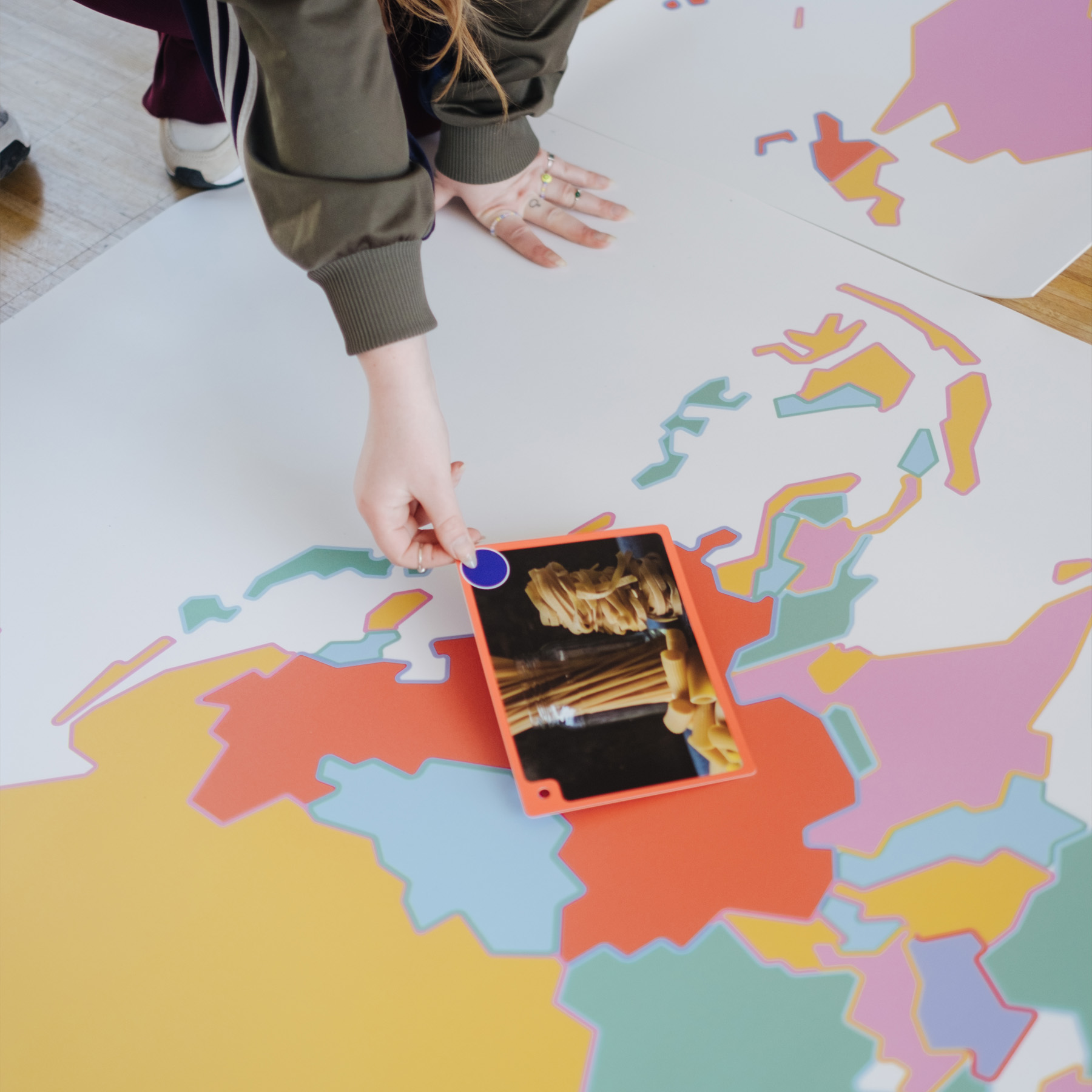
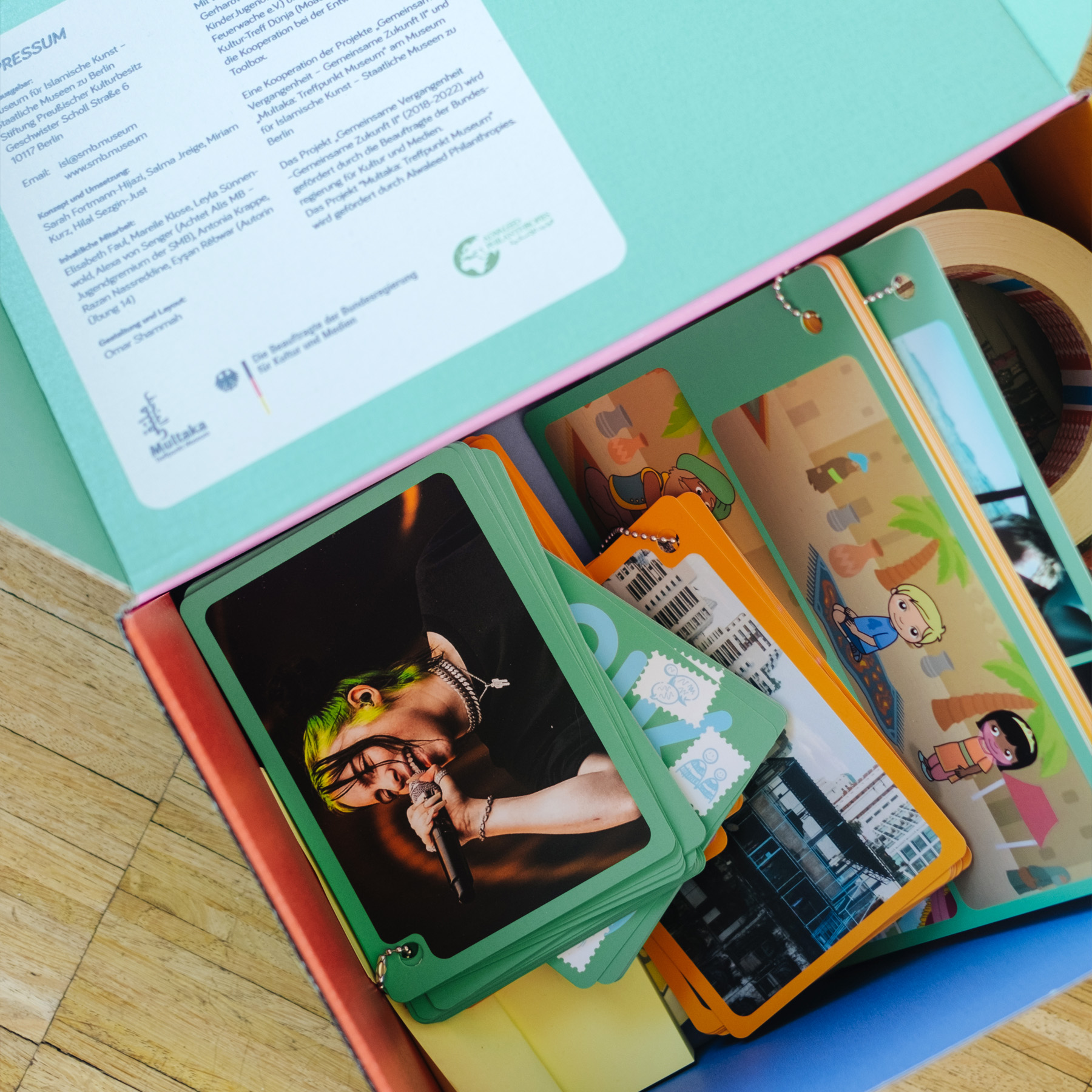
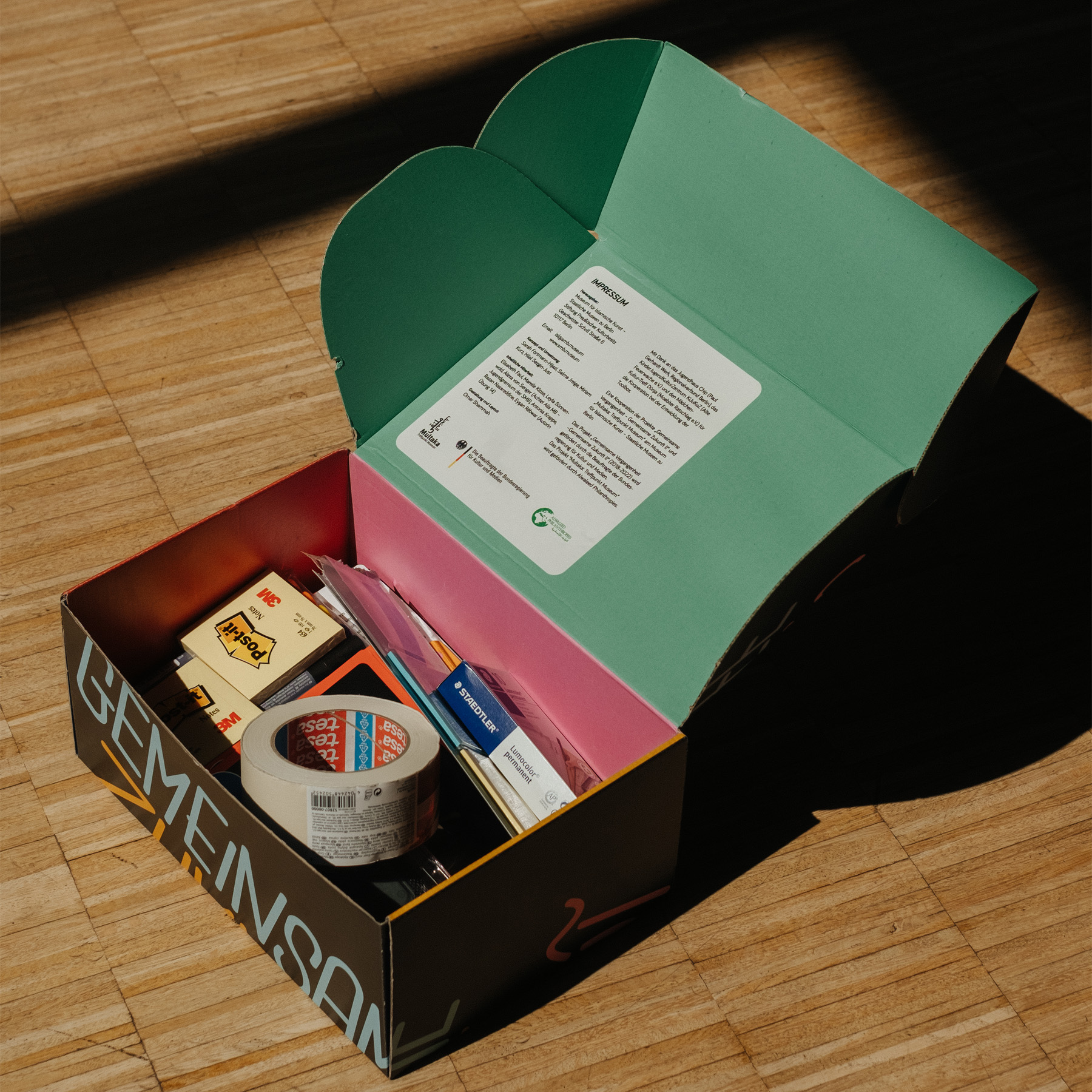
Gemeinsame Zukunft is a toolbox with different kinds of interactive games and quizzes, designed to be played in groups and aims to change the often negative narrative around topics like migration and asylum.
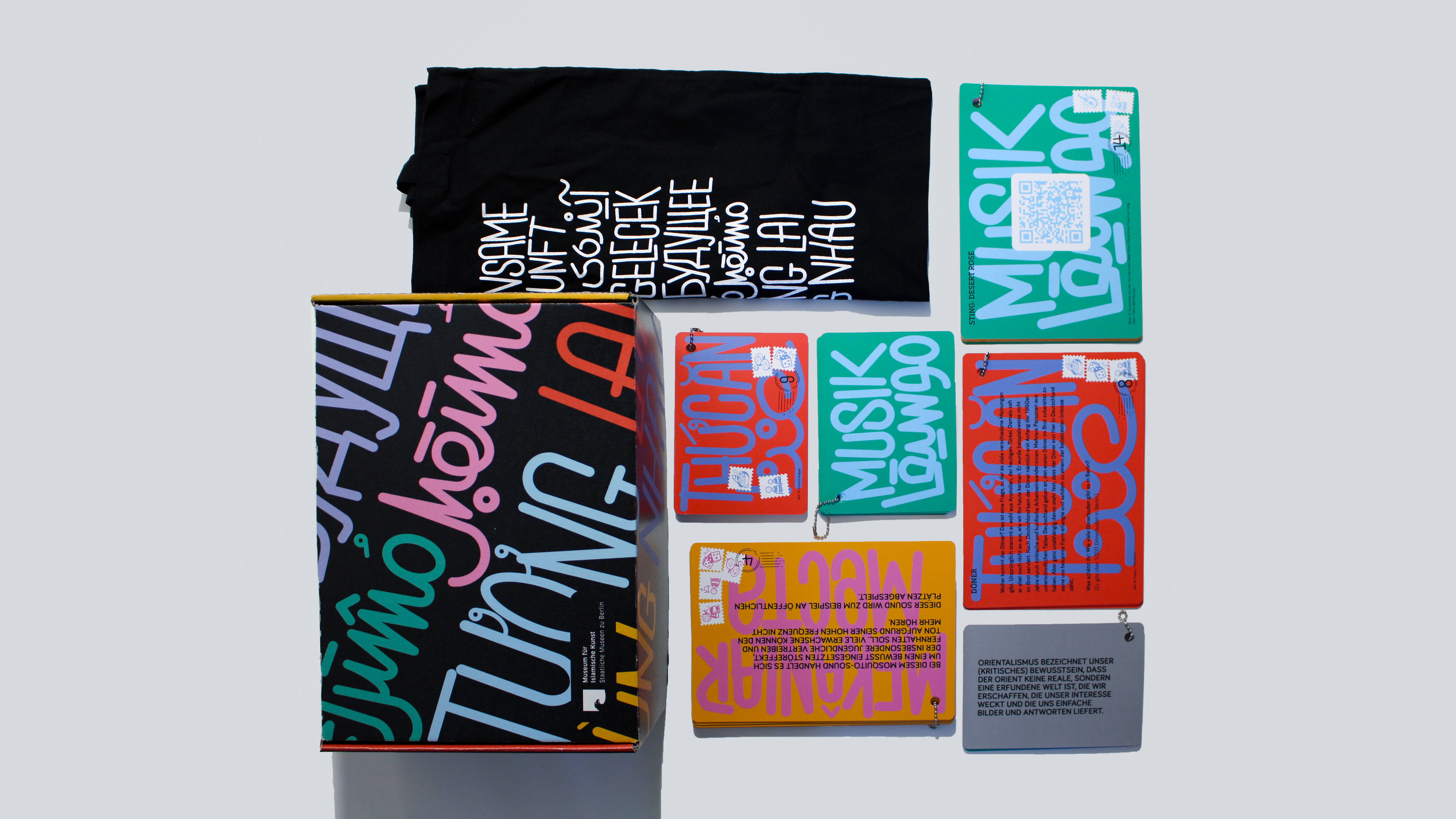
The toolbox is aimed at schools and youth facilities in Berlin and it handles topics like migration, mobility, transculturality and inclusion/exclusion by drawing parallels from themes like food, music, and places. How did peppers travel to Germany? Who brought pasta to Italy? and how do half-timbered houses migrate to the USA? Rasing such questions helps us understand that the world is multicultural and codependent and that the future can only be together.
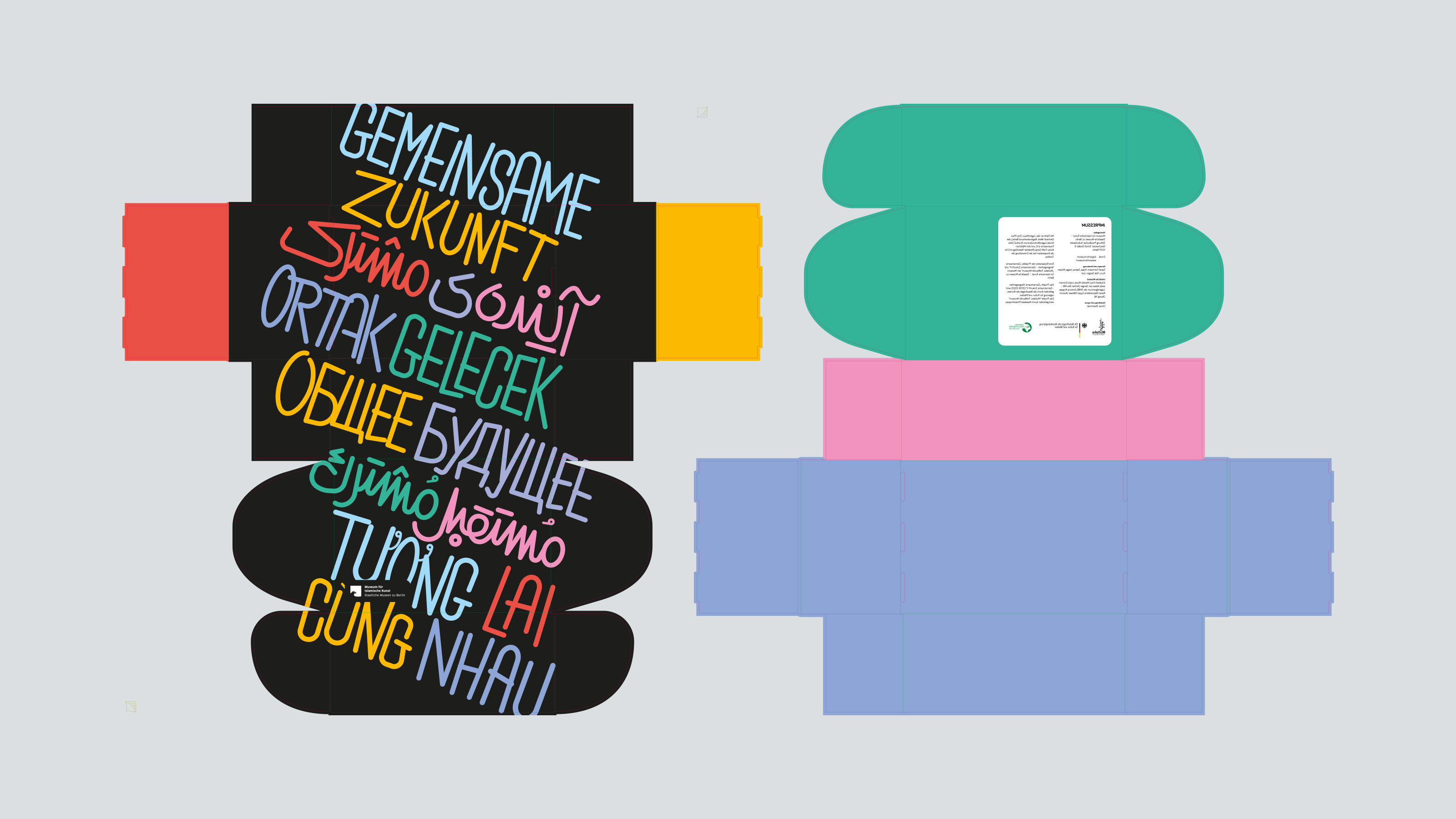
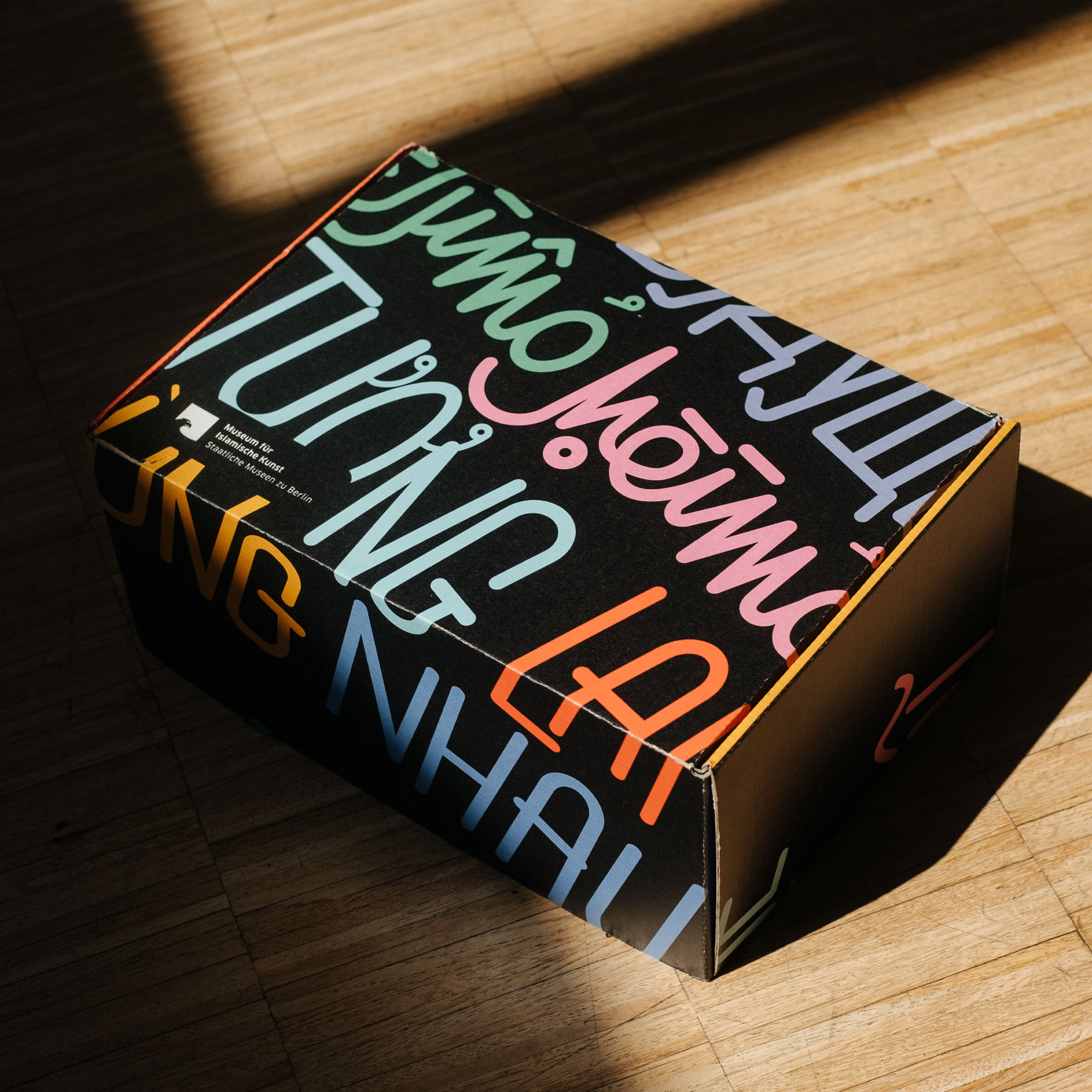
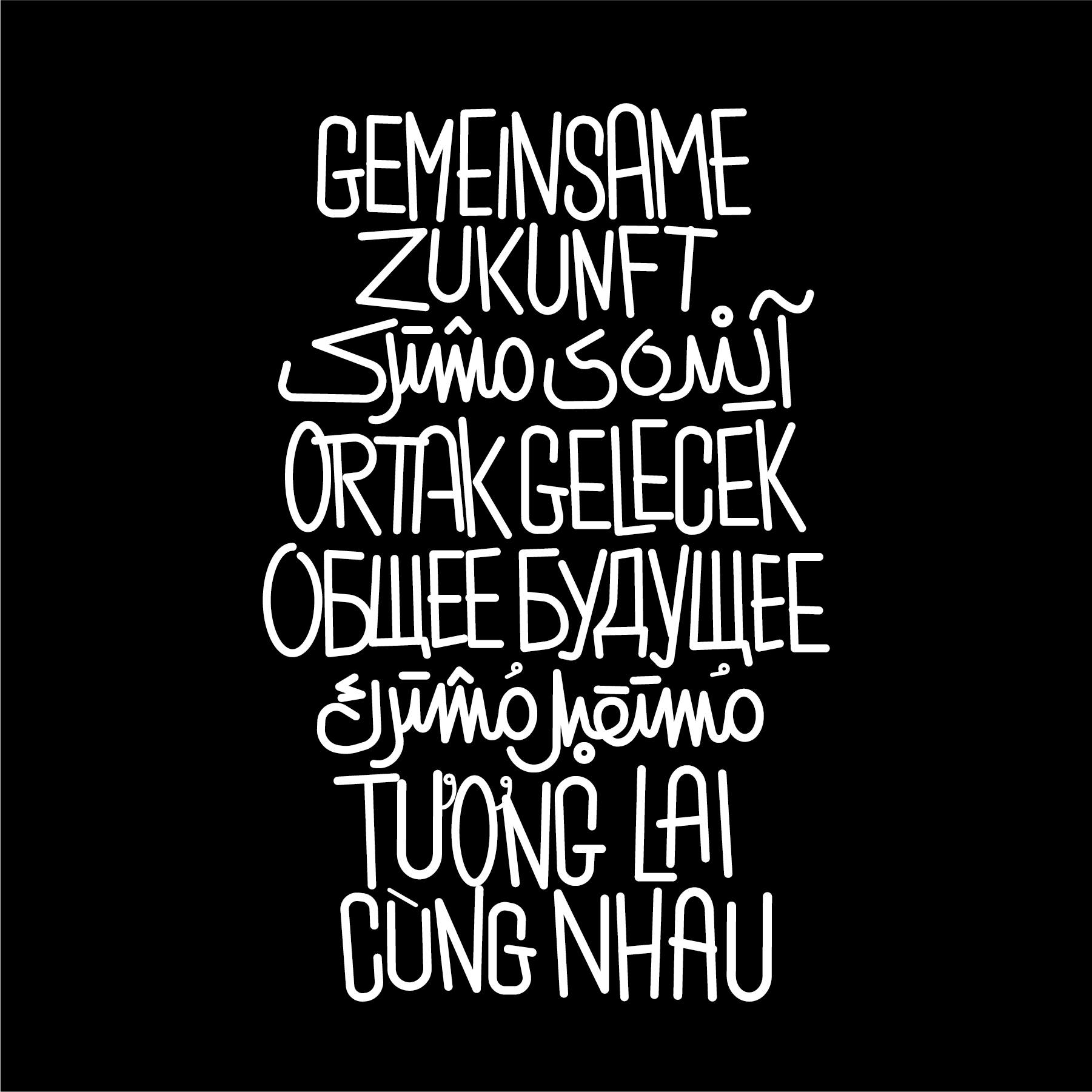
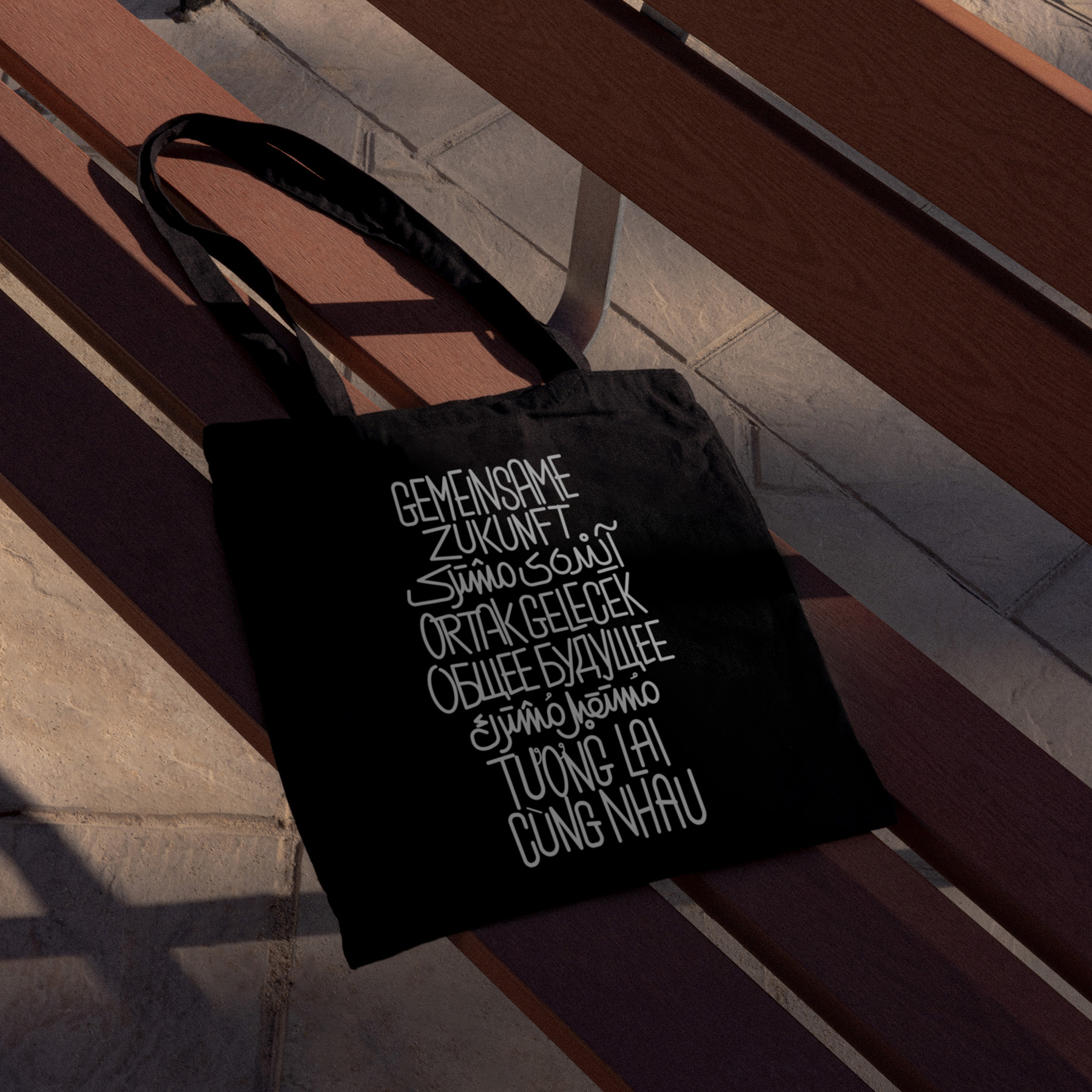
To communicate the concept of the toolbox through design, we opted to using a colourful, type-based design system. The colours enable easier navigation through the different categories, and typography helps bring the multicultural character by featuring different languages and alphabets.
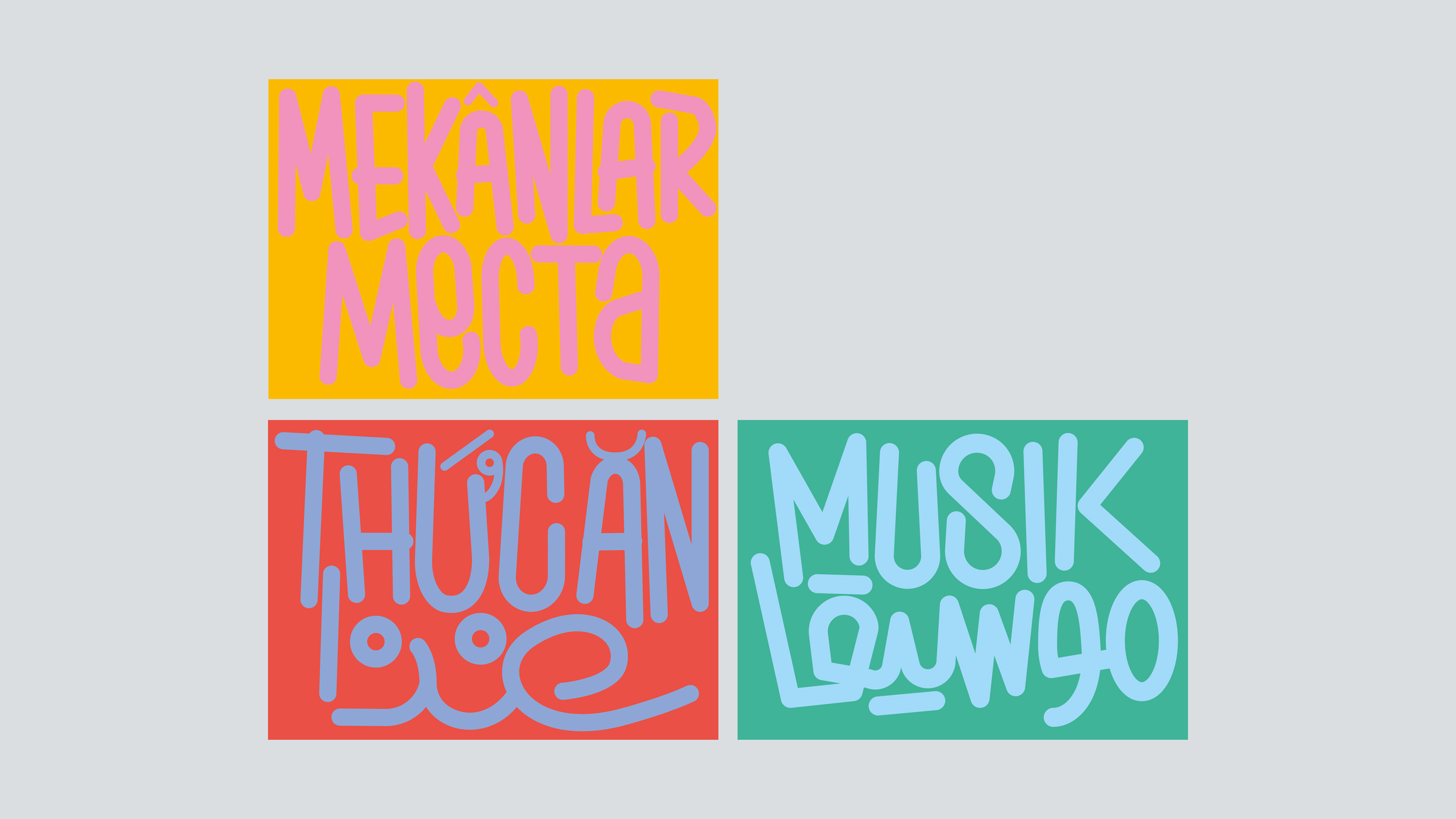
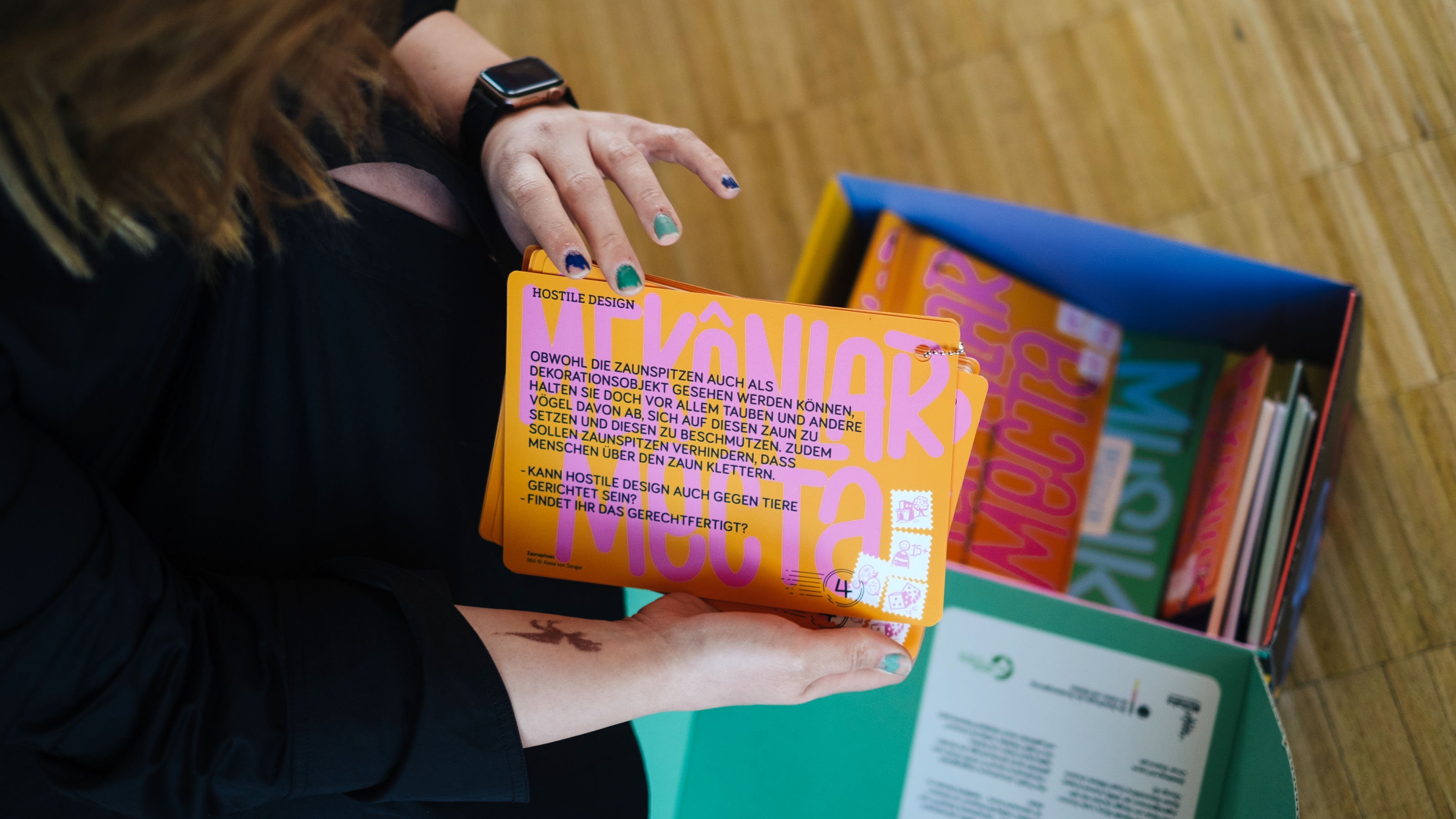
The six most common native tongues in Berlin's schools (German, Turkish, Russian, Arabic, Persian and Vietnamese) were selected to create the backsides of the cards.
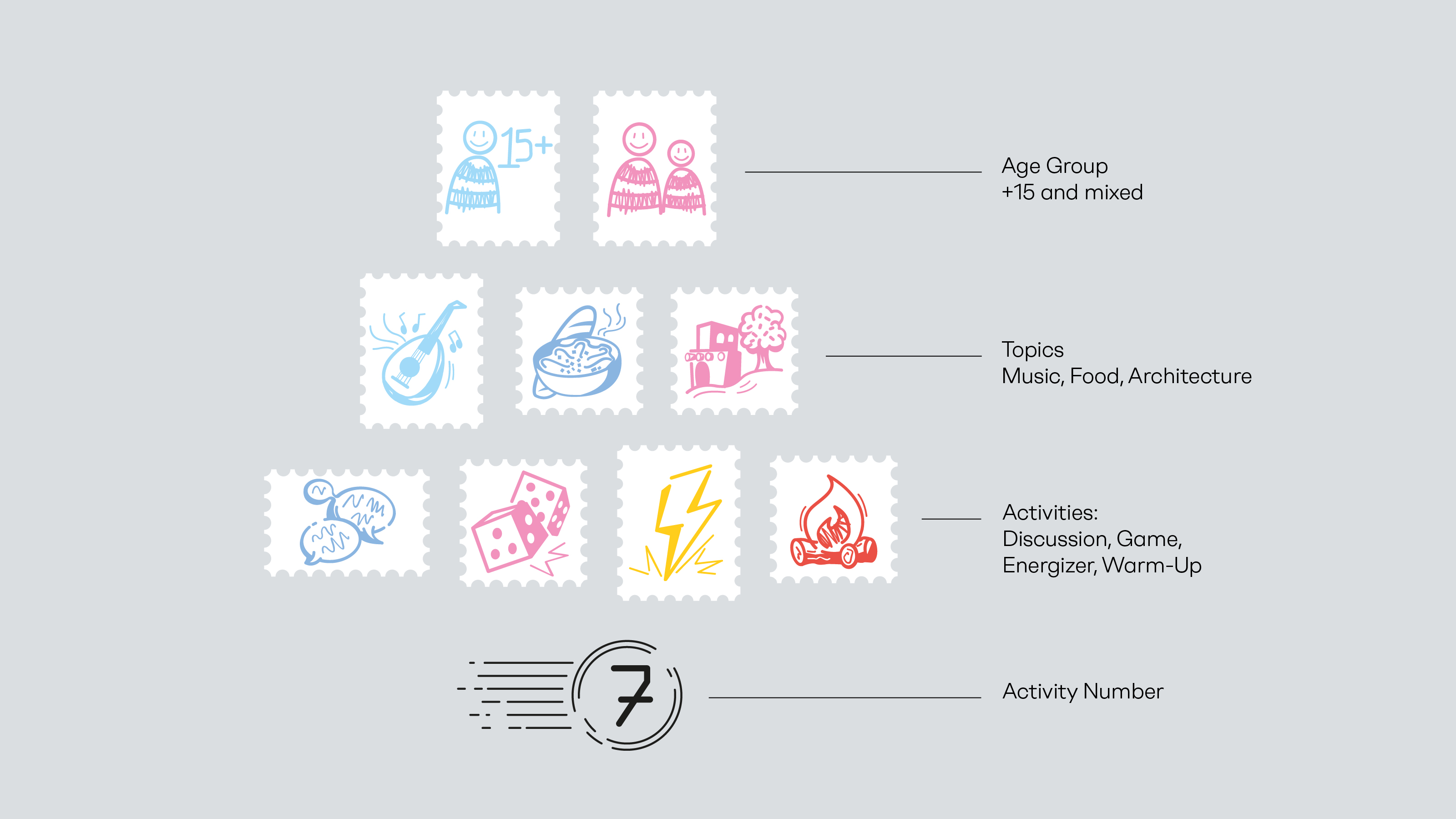
The activities are numbered in a sequence and devided according to three categories. These being: Age, topic and activity type. To drive home the idea of a deeply connected past and a shared future, we styled our icons as postage stamps. This visual nod to global dialogue between different cultures gives the cards a warm, nostalgic character - rather like a postcard one receives from a friend, less like a quizz card in a classroom.
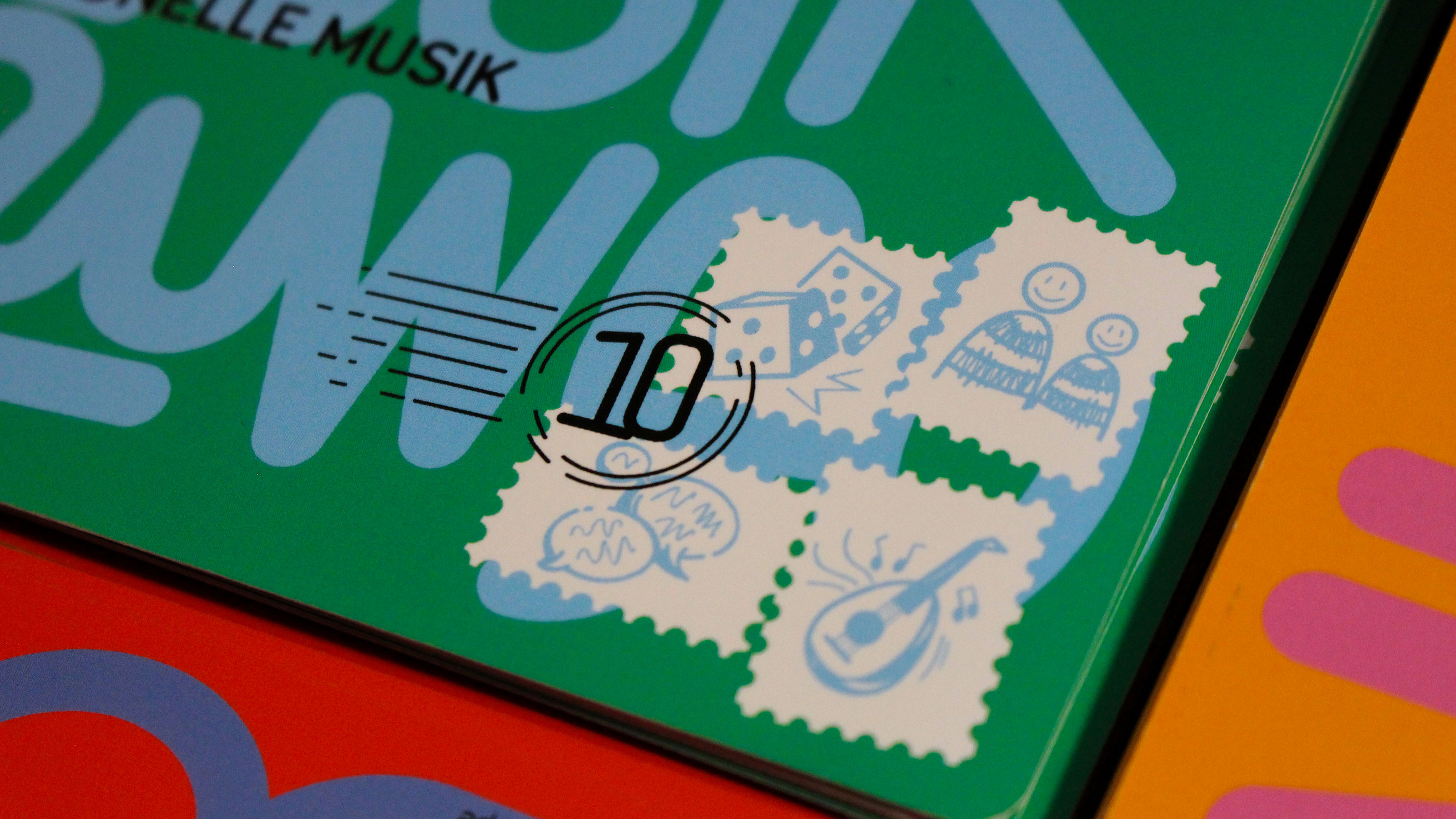
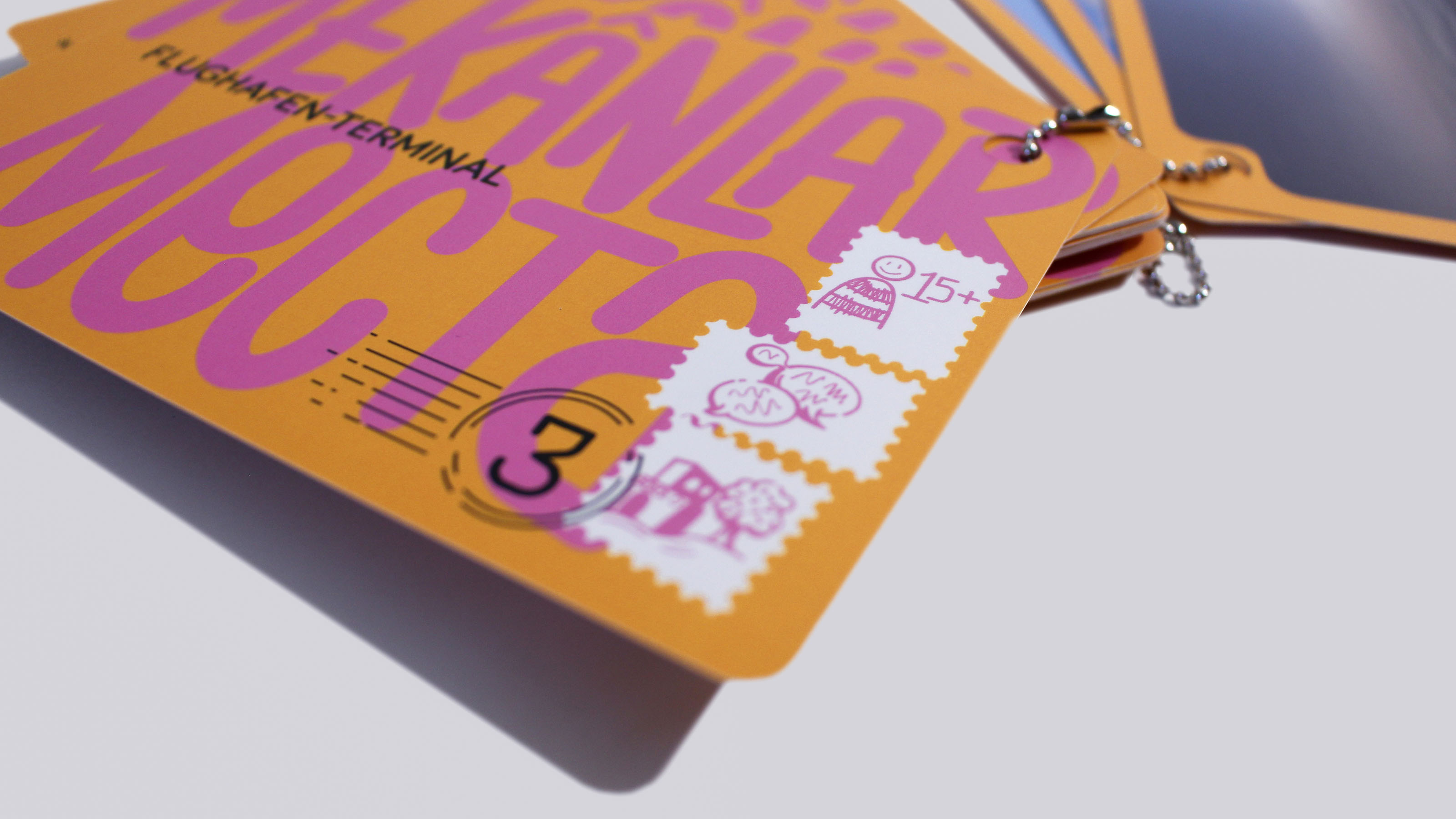
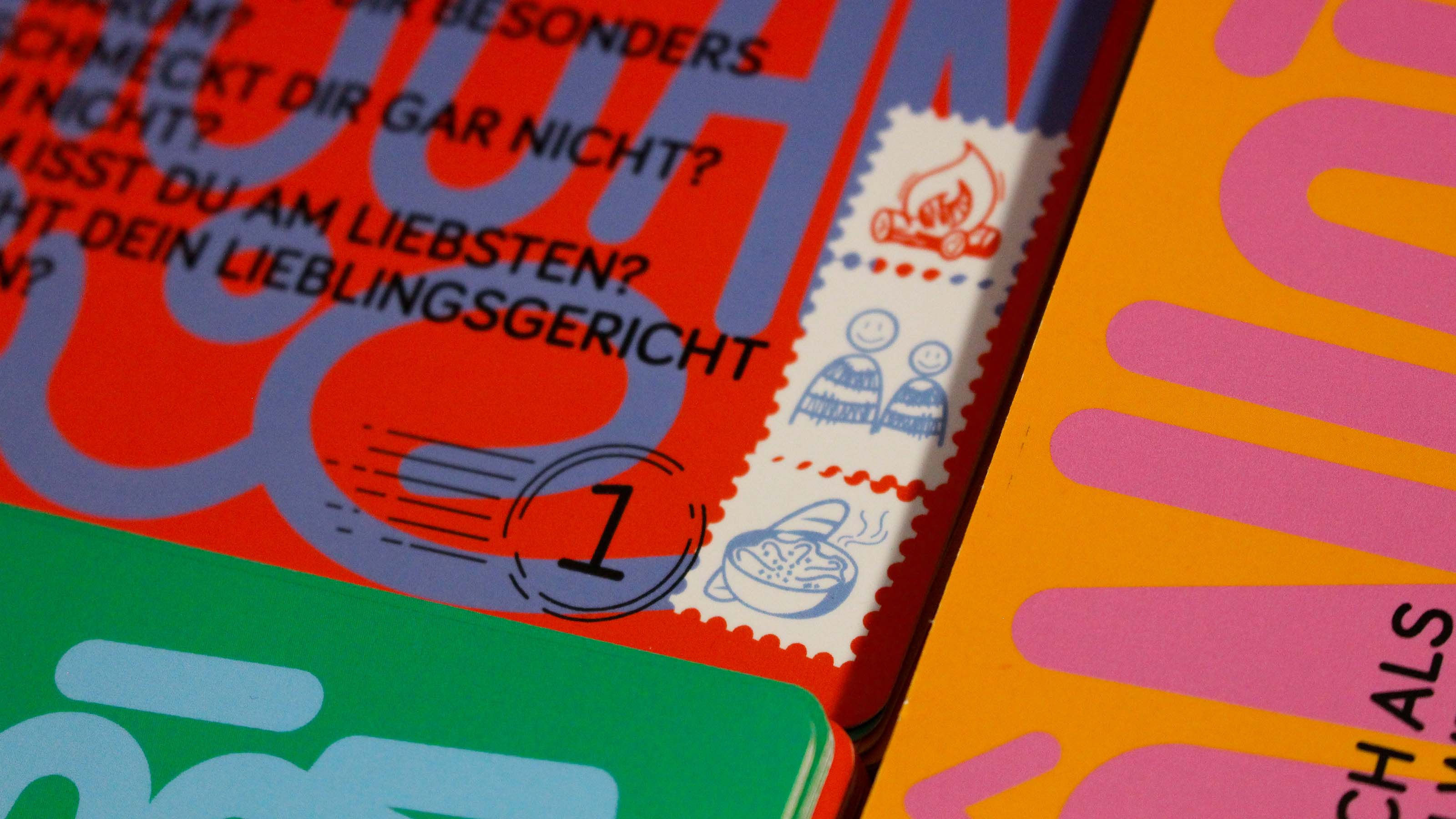
Letters travel around the world to exchange and connect. Therefore, icons on the backsides of the cards have the form of stamps. These feature information about the kind of activity, the age group it targets, and the theme or category it belongs to.
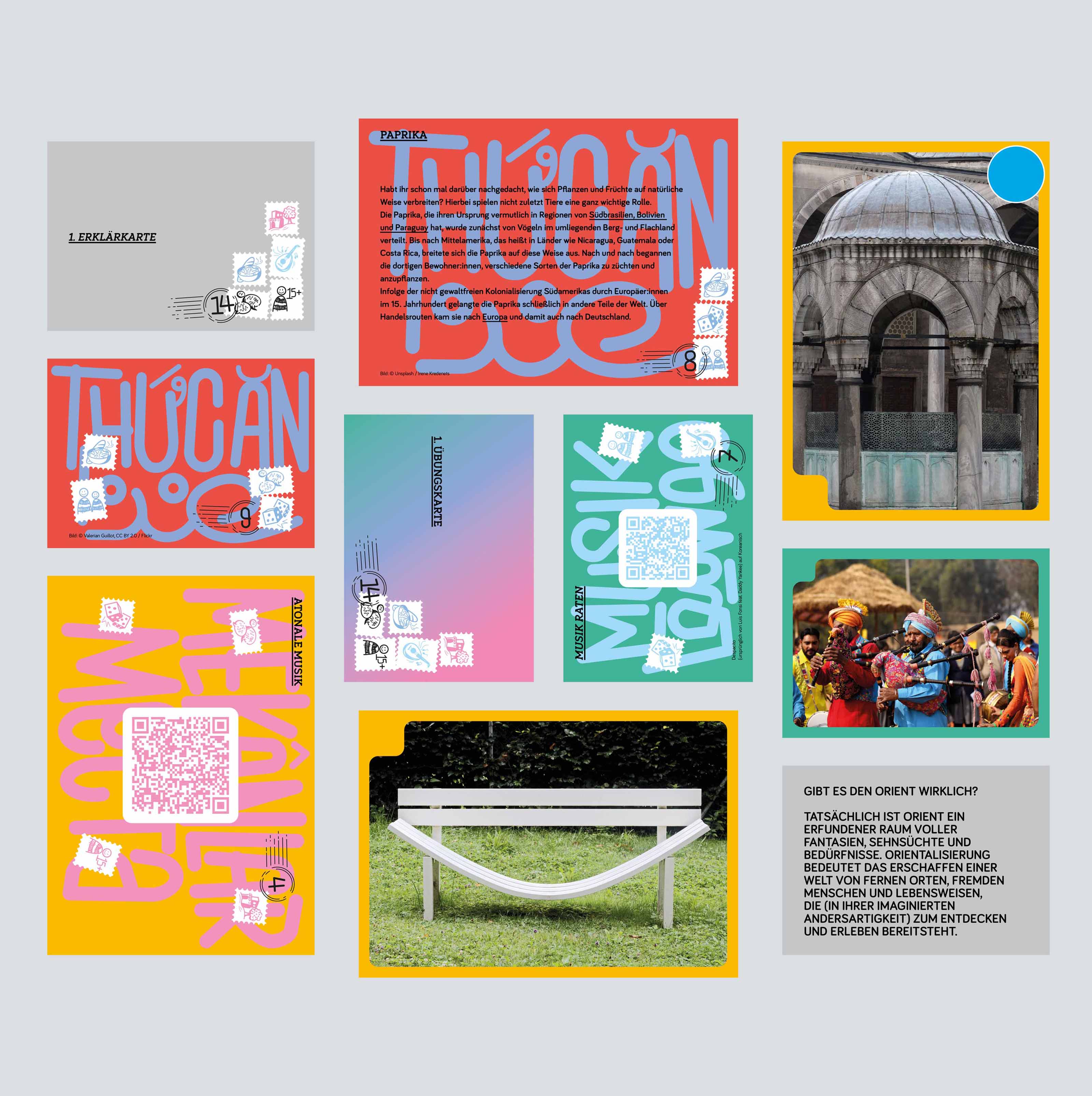
How did peppers travel to Germany? And how do half-timbered houses migrate to the USA? Raising such questions helps us understand that the world is multicultural and codependent and that the future can only be together.